

by ‘Lekan Lawal
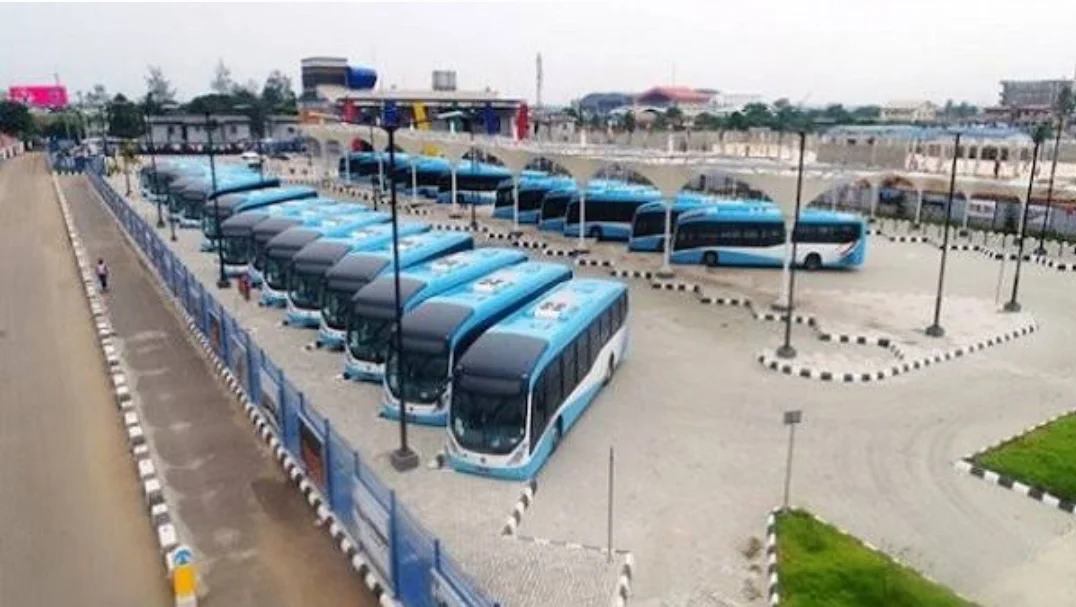
Commuters and motorists plying the Alapere garage axis of Ketu Bus stop woke up to severe gridlock as extensive safety barricades tightly cordoned off the popular Alapere garage at Ketu Bus Stop. The massive structural squeeze, which has halted normal vehicular movement and forced drivers onto alternative routes, marks an aggressive new phase in the ongoing construction of the Alapere Modern Bus Terminal.
The project is a major component of the Quality Bus Corridor (QBC Package initiative, overseen by the Lagos Metropolitan Area Transport Authority (LAMATA). Jointly funded by the Lagos State Government and the French Development Agency (AFD), the multi-million-dollar transport upgrade aims to permanently eliminate bottlenecks along the Ketu–Alapere–Akanimodo corridor.
While structural steel installations and minor groundworks for the main hub terminal buildings have been underway for months, contractors on-site transitioned to heavy civil engineering directly on the main highway lanes. The current barriers were pushed outward into the live lanes to create a safe buffer zone for:
- Deep excavation and foundation laying for the main terminal’s external road interfaces.
- The expansion of the road layout to accommodate permanent bus laybys and dedicated loading zones.
- The installation of advanced, signalised junctions to regulate the intersection’s flow once the hub goes live.
The bottleneck has been further worsened by LAMATA’s concurrent community agreements to remodel the neighbouring Ketu Lay-by (Demurin Bound) corridor simultaneously, tightening the transit loop across Kosofe.
The impact on the local workforce has been immediate and severe. Commuters caught in the peak-hour rush are experiencing unprecedented transit delays of between 45 to 90 minutes just to navigate the short stretch past the Alapere bottleneck.
Speaking anonymously on the condition of privacy, a senior official from the local chapter of the National Union of Road Transport Workers (NURTW) expressed the shared frustration of commercial drivers in the park:
“Our members are losing valuable tracking time and burning fuel just sitting at a standstill. While we support the modernization of the Alapere layout, the sudden enforcement of these tight barricades without opening up smoother local bypasses is choking our daily earnings. We need more traffic wardens deployed to the inner estate exits immediately.”
Frustrated commuters have echoed these concerns, noting that transport fares for commercial mini-buses (Koropes) and tricycles (Kekes) from nearby hubs like the Ojota Bus Terminal and Maryland have seen temporary spikes due to the gridlock.
To help ease the daily struggle for affected residents, traffic management agencies have compiled a localized navigation strategy:
1. Immediate Alternative Routes
- To Toll Gate / Berger / Outward Lagos: Avoid the Alapere expressway lanes entirely. Divert through Ogudu or Ojota. Drivers can seamlessly navigate internal link roads toward the Ketu/Mile 12 axis to safely rejoin the Lagos-Ibadan Expressway.
- To Gbagada / Lagos Island: Commuters should utilise the internal street networks of Alapere Estate or the Agboyi-Ketu inner link roads to emerge cleanly past the blocked terminal zone.
2. Peak-Hour Survival Tips
- Adjust Departure Times: Commuters are strongly advised to shift their morning departure windows at least 60 minutes earlier to clear the Alapere bottleneck before the peak 7:00 AM lockdown. Residents are also advised to reduce the volume of single-occupancy vehicles squeezing past the barricades, encouraged to leverage or utilize ride-sharing in groups.
While the current gridlock is an undeniable headache for Kosofe’s working-class population, community leaders urge residents to look at the bigger picture. Once completed, the Alapere Modern Bus Terminal will feature organized loading zones, integrated pedestrian walkways, and standard, predictable commuting layouts designed to transition Kosofe into a world-class transit hub.
In the meantime, the Lagos State Traffic Management Authority (LASTMA) has deployed extra personnel to manage the spillover traffic. Residents encountering severe hazards, broken-down vehicles, or complete blockages due to the construction are reminded to dial the newly launched 3367 toll-free hotline to request immediate traffic clearance.
Alapere Garage Gridlock Survival Guide: How Kosofe Residents Can Bypass Construction Traffic and Avoid Peak-Hour Delays
