

by Omotolani Ayinde
The legendary, high-stakes chaos of West Africa’s largest perishable food hub is facing an unprecedented mid-year reckoning. This week, the Mile 12 International Market and surrounding trading networks find themselves caught between two powerful forces: an unforgiving environmental crackdown from Alausa and a biting economic squeeze on the ground.
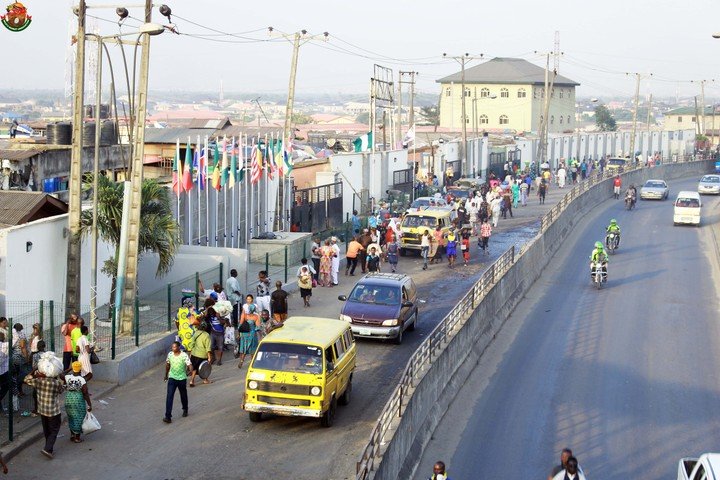
For decades, Mile 12 has been an economic engine, but its spillover onto Ikorodu Road has long frustrated local commuters. Vendors consistently outnumber interior shop spaces, forcing trade onto the asphalt and creating major bottlenecks.
The state is executing a decisive shift. The Lagos State Ministry of the Environment and Water Resources, led by Commissioner Tokunbo Wahab, has accelerated structural rehabilitation efforts across both Oyingbo and Mile 12 markets. Moving past the previous history of shutting down the perimeter gates entirely, state forces are focusing heavily on engineering order—demolishing illegal exterior extensions and clearing the road medians to restore the natural flow of Ikorodu Road.
“Issues critical to public health, drainage flow, and safety are non-negotiable,” environmental enforcement teams re-emphasised, noting the increased risk of blocked drains during the heavy rainy season.
This regulatory restructuring comes at a highly sensitive time for Kosofe’s wallets. The most recent market trackers reveal that food prices across major Lagos hubs show a highly volatile, mixed trend.
While improved regional supplies of some baseline staples have moderately stabilized some grocery bills, acute seasonal shortages are actively pushing up the costs of essential perishables like tomatoes, peppers, and onions inside the Mile 12 stalls. Compounding this, local traders must navigate fluctuating logistics costs tied to the parallel market rate, which hovers around N1,395/$1.
For the everyday market men and women, the dual reality of keeping the highway strictly clear while absorbing high wholesale procurement prices is creating immense pressure. Leadership associations inside the market are actively collaborating with the Lagos State Market Advisory Council (LASMAC) to establish stricter internal clean-up shifts to avoid further state interventions.
As the mid-year rains test the community’s infrastructure, Mile 12 stands at a pivotal turning point. The goal is clear: transforming from a chaotic roadside market into a sanitized, orderly commercial hub. For Kosofe residents, the success of this transition will dictate not only the traffic on Ikorodu Road but the very price of the food on their tables.
